
Am I Too Old to Become a Personal Trainer? (No — Here's Why)
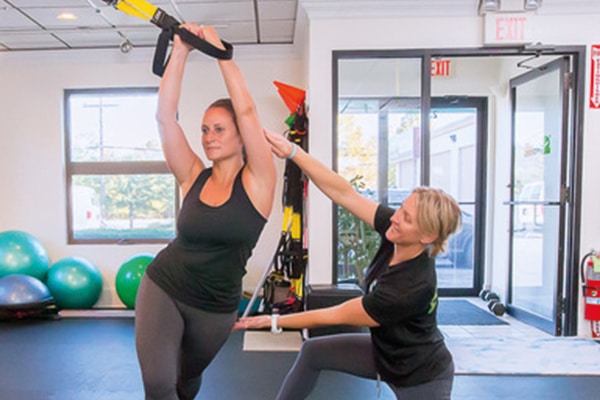
No. You're not too old.
If you're in your mid-30s, 40s, or beyond, wondering if it's too late to become a personal trainer, the answer is no. The fitness industry actually needs more people like you.
The stereotype of the 22-year-old gym bro PT is outdated. Today's most successful personal trainers are often career changers who bring life experience, emotional intelligence, and professional maturity. You can't learn those things from a textbook.
This article explains why age is an advantage in personal training, what you need to know before making the leap, and how to set yourself up for success as a second-career PT.
The Myth of the "Young, Ripped" Personal Trainer
The fitness industry has historically sold itself with images of 20-something athletes with six-packs. That's great for marketing, but it's not what makes a successful personal trainer.
What actually matters to clients:
Can you listen and understand their goals?
Can you create a safe, effective programme for their body and lifestyle?
Do they trust you to show up and help them succeed?
None of those things require you to be 25 or have 8% body fat.
Many clients, especially those over 35, prefer trainers who've dealt with real life: career changes, stress, parenthood, staying fit despite a busy schedule. They don't want advice from someone who's never had a job outside the gym.
Why 35+ is Actually the Ideal Age to Start
Instead of viewing age as a disadvantage, consider what you bring as a career changer in your 30s, 40s, or 50s:
Life experience means client empathy.
You've dealt with stress, setbacks, work pressures, family responsibilities. When a client says "I'm too tired to train today" or "I've tried everything," you understand. Younger trainers often can't relate to middle-aged clients. You don't have that problem.
Professional skills transfer.
Maybe you've worked in sales, teaching, healthcare, management, or customer service. Communication, organisation, problem-solving, building rapport -those skills apply directly to personal training. A great PT isn't just someone who knows exercise science. It's someone who can motivate, educate, and build long-term relationships.
Financial maturity.
Career changers in their 30s and 40s tend to have more financial stability than school leavers. You can invest in a quality PT qualification without cutting corners, build your client base gradually without panicking about rent, and take a strategic approach instead of scrambling for clients.
You've already proven you can show up.
You've held down jobs, met deadlines, dealt with difficult colleagues or customers. You know what it takes to be professional and consistent. That's half the battle in personal training. The number of new PTs who flake on clients or ghost after a few months is staggering. If you show up on time, prepared, and professional, you're already ahead.
What About Fitness Level?
Do you need to be super fit to become a personal trainer?
You need to be fit enough to demonstrate exercises safely and model healthy behaviour.
You don't need to deadlift 200kg or run ultramarathons. But you do need a baseline level of fitness to:
Perform and teach fundamental movements (squats, lunges, presses, rows)
Keep up during practical assessments
Demonstrate good form
If you're currently inactive, you'll want to build your own fitness during your training period. Most blended PT courses give you time to do that.
Clients aren't hiring you to be an Instagram fitness model. They're hiring you to help them get results. Your job is to coach, not perform.
The Real Barriers (And How to Overcome Them)
Actual challenges you might face as a 35+ career changer:
Energy levels.
You might not have the energy of a 22-year-old. Smart training, recovery, and time management help. You don't need to train clients 60 hours per week. Build a sustainable schedule.
Learning a new field.
You might not absorb information the way you did at 18. But you have better study habits, focus, and the ability to apply knowledge in context. Use those strengths.
Starting over financially.
Transitioning careers means a potential income dip at first. You can mitigate this by building your PT business part-time while keeping your current job, transitioning gradually over 6-12 months, and setting realistic financial expectations for year one.
Imposter syndrome.
"Who am I to tell someone how to train?" This is common. But by the time you complete a Level 3 PT qualification (Ofqual-regulated, CIMSPA-recognised), you'll have more knowledge than 90% of people in the gym. You'll have studied anatomy, physiology, programme design, behaviour change, nutrition, and business skills. You'll be qualified. The only person questioning it is you.
What Does the Training Process Look Like for Career Changers?
Most reputable PT courses are designed with career changers in mind:
Blended learning: online theory modules plus weekend/evening workshops
Flexible pacing: complete at your own speed (12 weeks to 12 months)
Real-world practice: training at actual gyms like Anytime Fitness Loudwater
Support networks: study alongside other career changers
If you're in Buckinghamshire (High Wycombe, Beaconsfield, Marlow, Loudwater), finding a local provider means shorter commutes, easier scheduling, and building your network in the area where you'll work.
Look for qualifications delivered through recognised awarding bodies like Focus Awards, which carry weight with employers and insurers. Choose a course that respects your time, existing commitments, and learning style.
Age Discrimination: Is It a Thing in Fitness?
Not in the way you might fear.
Clients across all demographics work with PTs of all ages. Certain markets prefer older trainers:
Clients 40+ often seek trainers closer to their own age
Corporate wellness programmes value maturity and professionalism
Medical referral schemes (working with GP practices, physiotherapists) prioritise experience and trustworthiness
Some boutique studios or Instagram-driven brands might favour the young aesthetic. But those aren't the only markets, and they're often not the most sustainable ones.
Career Changers Who Made It Work
The fitness industry is full of people who started personal training in their 30s, 40s, even 50s. Former teachers now training busy parents. Ex-corporate managers specialising in stress management. Nurses who pivoted to injury rehabilitation and older adult fitness.
What they have in common: they brought their previous skills into their PT work. They didn't try to be 22 again. They leaned into their strengths.
What About Long-Term Career Viability?
A common concern: "What if I can't physically train clients into my 60s?"
Personal training isn't a one-track career. As you gain experience, you can pivot into:
Online coaching (less physical, more scalable)
Group training (efficient use of time and energy)
Specialist niches (older adults, pre/postnatal, clinical populations)
Education and mentoring (teaching other trainers)
Programme design (creating plans for others to deliver)
The skills you build as a PT (coaching, communication, programming, business development) are transferable across the fitness industry. You're not locked into 1-on-1 sessions forever.
The Bottom Line: Should You Do It?
Only you can answer that. But if you're asking "Am I too old?" you're asking the wrong question.
Better questions:
Am I willing to invest time and money into a new qualification?
Can I commit to building a client base from scratch?
Do I enjoy helping people and solving problems?
Am I ready to be a beginner again?
If the answers are yes, age is irrelevant.
Thinking About Making the Change?
If you're in Buckinghamshire and considering a career change into personal training, we can talk through your situation honestly.
Contact Bucks PT Academy:
We work with career changers all the time. Many of our students are in their 30s, 40s, and beyond. If you want to know what the process looks like and whether it's a good fit for your situation, reach out.
Related Reading
Take the Next Step
Ready to explore personal training as a career? Download our free prospectus to learn about our Ofqual-regulated, CIMSPA-recognised Level 3 Diploma - including course structure, career outcomes, and how to get started.
👉 Request Your Free Prospectus
Already know this is for you? Book a 15-Minute Call or Message Us on WhatsApp to discuss your options.